

Livestreaming has transformed entertainment by turning real-time audiences into active participants, and gambling has increasingly found a place within that economy. What once happened mainly through dedicated betting venues or websites can now appear alongside gaming streams, sports commentary, and interactive online content. Several factors drive this shift, including audience interaction, sponsorships, affiliate arrangements, and the growing commercial value of online communities. At the same time, the relationship raises questions about how gambling is presented and monetized through livestreams. Exploring this evolution shows how gambling became integrated into the broader livestreaming economy.
Why Gambling Fits the Live Format
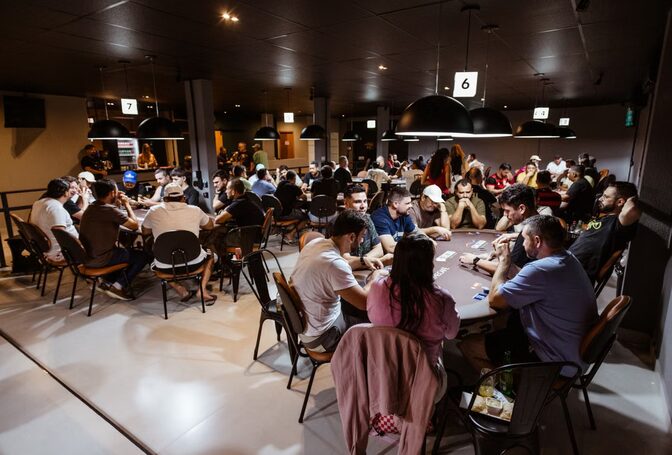
The structure of livestreaming naturally supports mqm bet and gambling in general because viewers can observe activity while communicating with the creator and other audience members. A gambling stream may involve live commentary, reactions to changing outcomes, and discussion of decisions as they occur. This creates a shared viewing experience rather than a purely individual activity. The appeal is partly connected to uncertainty, since viewers may remain engaged because they want to see how an event develops. The same principle helps explain why live sports, gaming competitions, and other unpredictable events attract substantial audiences.
The Role of Creators and Online Communities
 Content creators have helped gambling become visible within certain livestreaming communities by incorporating gambling-related material into their regular broadcasts. Their influence comes from the relationship they establish with viewers over time. Audiences may return because they enjoy a creator’s personality, commentary, or entertainment style. When gambling becomes part of that content, creators can present it within an existing community rather than as a separate commercial activity. This connection between creator and audience has made livestreaming an important environment for understanding how gambling content reaches digital consumers.
How Platforms and Commercial Interests Connect
The livestreaming economy depends on several revenue streams, including advertising, sponsorships, subscriptions, donations, and commercial partnerships. Gambling businesses can participate in this ecosystem through sponsorship arrangements, promotional campaigns, and other forms of digital marketing, where regulations and platform policies permit. The live environment can make these relationships particularly visible because commercial messages may appear alongside entertainment and creator interaction. This illustrates how modern digital economies often combine content, community, and commerce within the same online experience.
The Changing Boundaries of Gambling Content

As gambling has become more integrated with livestreaming, questions have emerged about where entertainment ends and commercial promotion begins. Viewers may encounter gambling content through creators they already follow, which can make the activity appear different from traditional gambling advertising. Age restrictions, responsible gambling requirements, advertising rules, and platform policies therefore play an important role in shaping how such content is presented. The relationship between gambling and livestreaming continues to evolve as platforms develop new policies and regulators examine how digital audiences interact with gambling-related material.
Gambling became part of the livestreaming economy because its characteristics align with the live format’s emphasis on interaction, uncertainty, and continuous audience engagement. Creators build communities around this content, while platforms provide the infrastructure that lets entertainment and commercial activity operate together. This development reflects a broader change in digital media, where entertainment, marketing, and audience participation increasingly overlap. Understanding this relationship helps explain why gambling has established a presence within livestreaming while also highlighting the regulatory and social questions surrounding its continued growth.
…